In the world of GameFi and Web3, “free to play” meets blockchain in a compelling way:
NFT games free to play allow users to join without large upfront investments, while still offering opportunities to earn, collect, or trade digital assets.
As the NFT gaming ecosystem grows, more titles are adopting models where players can start for free, with optional upgrades or NFTs for those who want to deepen involvement.
This guide explores what makes an NFT game truly “free to play,” reviews promising titles you can try now, compares different earning models, covers risks, and gives tips to find the best free entry paths.
Whether you’re a crypto beginner or seasoned player, this will help you navigate with less guesswork.
| Game | Status / Notes | Free Entry Details |
|---|---|---|
| RavenIdle Adventures | Live | Start without NFT, missions, rewards |
| Craft World | Early Access | No NFT needed at present |
| Fishing Frenzy | Live | Reflex mini game, free play |
| Off The Grid | Early Access | Optional NFTs; gameplay free |
| Lumiterra | Live / Developing | Base gameplay free, token features optional |
| Spellborne | Live / Developing | Free baseline, NFT features optional |
What Does “NFT Games Free to Play” Mean?
Before diving into examples, it’s important to clarify definitions.
The phrase “NFT games free to play” can be misleading, so here’s how I’m using it:
- Free to enter: You can begin playing without paying or owning NFTs or tokens.
- Optional monetization: The game might offer in-game purchases, NFT upgrades, cosmetics, or premium features, but they are not strictly required to participate.
- Earnable valuation: Some rewards, tokens, NFTs earned within the game may have real value (i.e. tradable).
- Sustainable mechanics: The economy should avoid forcing paywalls or “pay to win” traps that block free players from meaningful progress.
Many NFT / blockchain / Web3 games mix “free to play” with “play to earn” elements. Some allow limited earnings for free players, while advanced features are unlocked via investment.
Others keep a fully free entry baseline and monetize optional add-ons. The key is: the barrier to starting should be low.
When searching “NFT games free to play,” you want games that truly let you start without needing to buy an NFT first.
Key Criteria for Good Free-Entry NFT Games
To judge which free NFT games are worth trying, here are criteria you should watch:
- Low barrier to entry – minimal or zero cost to start
- Transparent tokenomics – how rewards are generated, burned, or balanced
- Multiple earning paths – e.g. quests, battles, staking, crafting, events
- Liquidity for rewards – the ability to convert tokens or assets to real value
- Sustainable progression – free players can still grow without being forced into purchase
- Community / updates / roadmap – active development and community support
- Security / audit / trust – smart contract safety and transparency
With those in mind, let’s examine promising NFT games free to play available or emerging in 2025–2026.
Top NFT Games Free to Play (2026 Picks)
Here are some notable games that allow free entry, or are working toward that model.
Some are fully live; others are in alpha, beta, or early access.
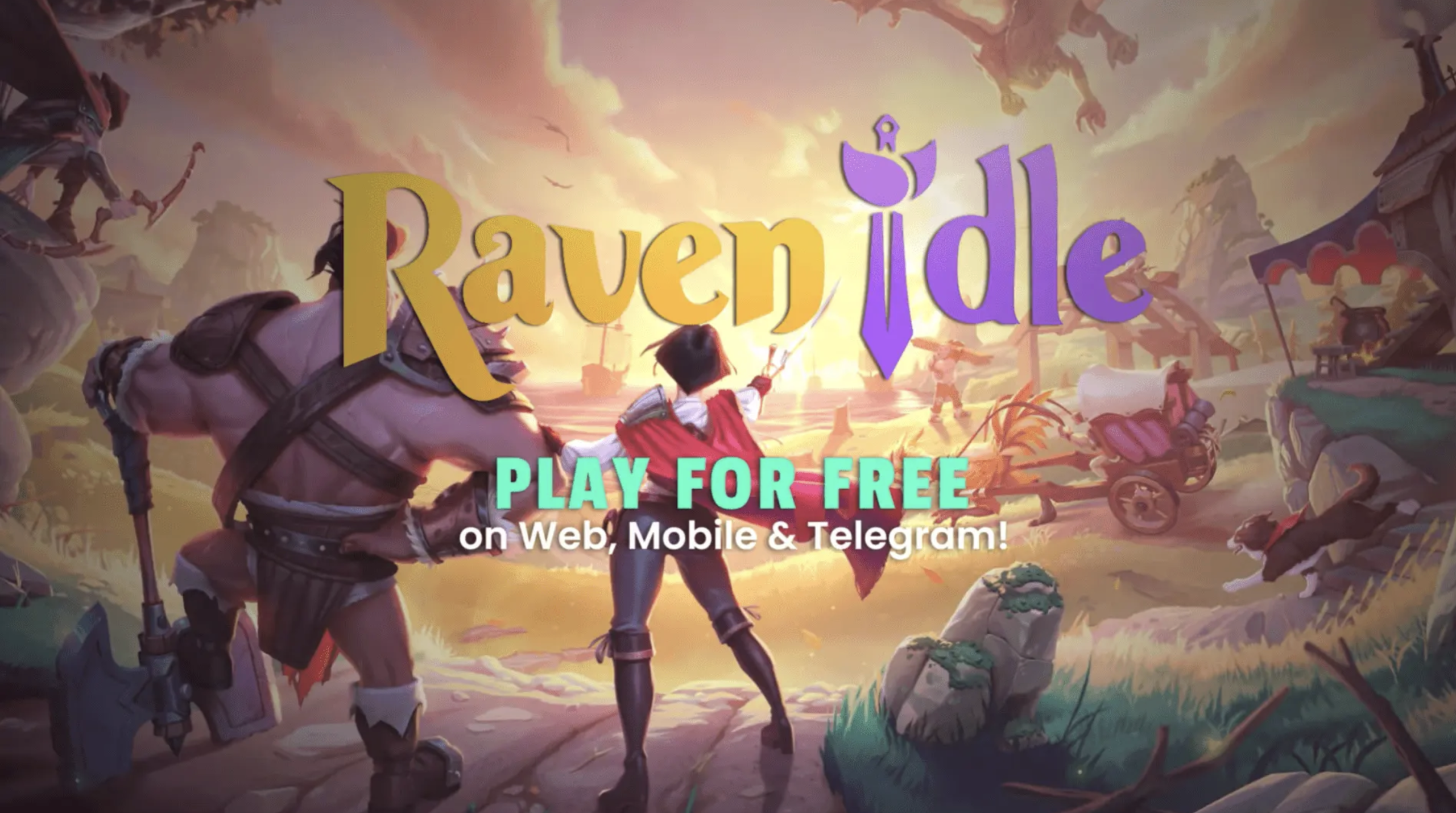
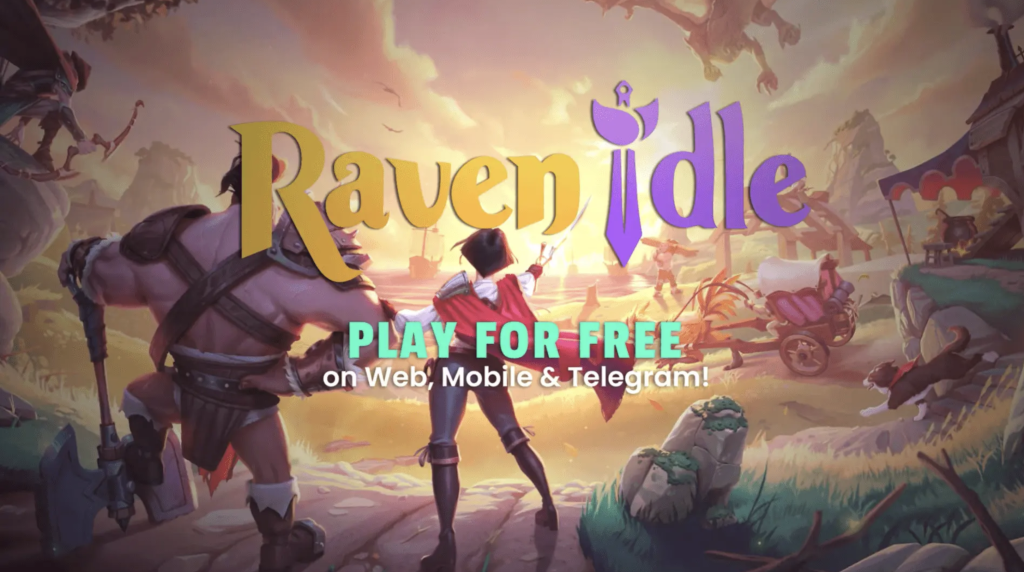
RavenIdle Adventures
- Platform / Type: Idle RPG (browser / blockchain)
- Free to play status: Yes — you can begin without owning NFTs.
- How you earn: Assign characters to missions, collect materials, climb seasonal ranks, earn NFTs & tokens.
- Strengths / notes: Because it’s idle, it’s accessible even for casual players. Integration into a larger ecosystem (RavenQuest) adds depth.
Craft World
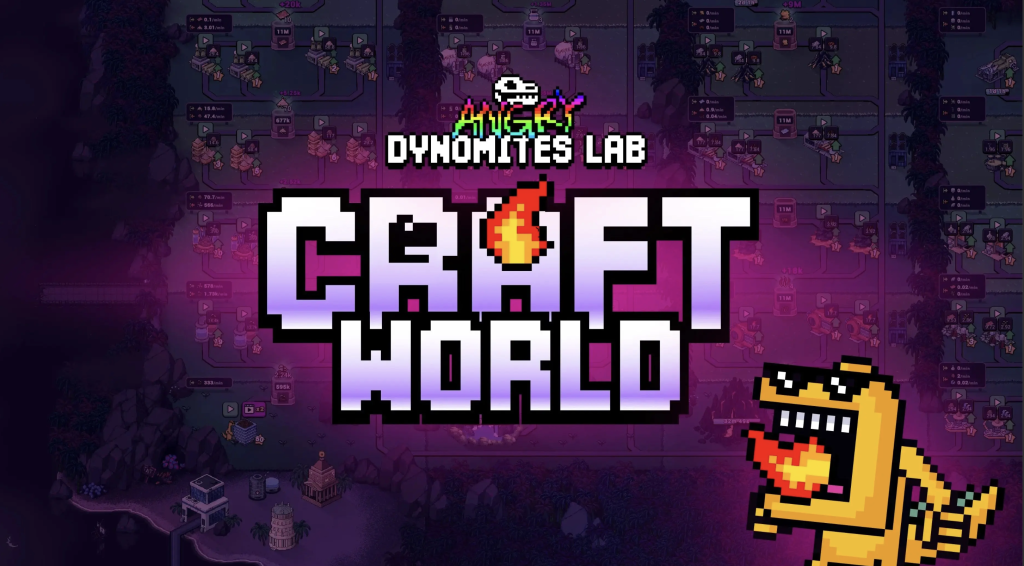
- Platform / Type: Casual strategy / resource simulator
- Free to play status: Yes — early access version is free and currently doesn’t require NFTs.
- How you earn: You gather wood, ore, herbs, craft items; tokenization likely in the future.
- Strengths / notes: Designed with loops and resets; long-term engagement structure built in.
Fishing Frenzy
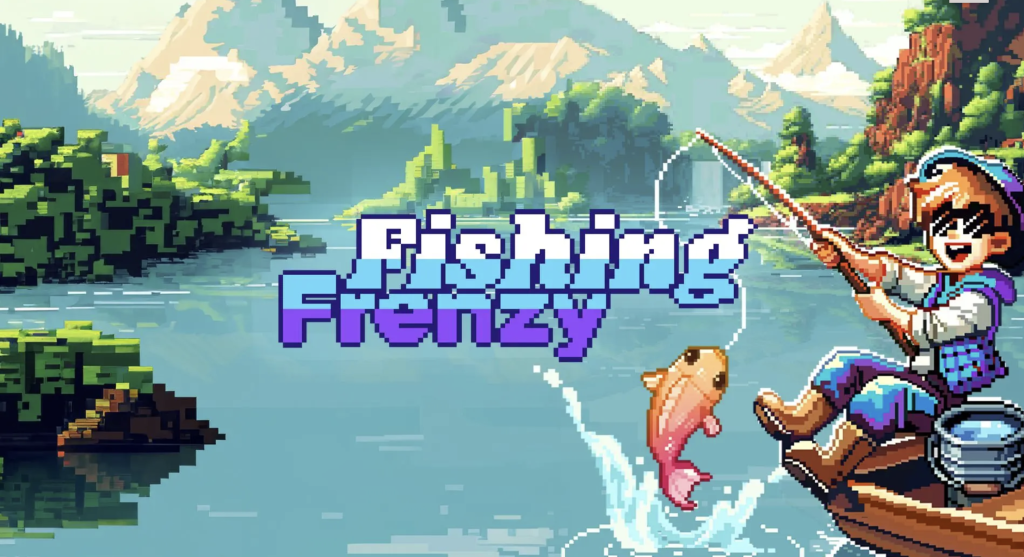
- Platform / Type: Arcade / reflex / mini game
- Free to play status: Yes — no initial fees to play.
- How you earn: Challenge runs, catch rare fish, leaderboard rewards, potential future tokenization.
- Strengths / notes: Simple mechanics, suitable for short sessions.
Off The Grid
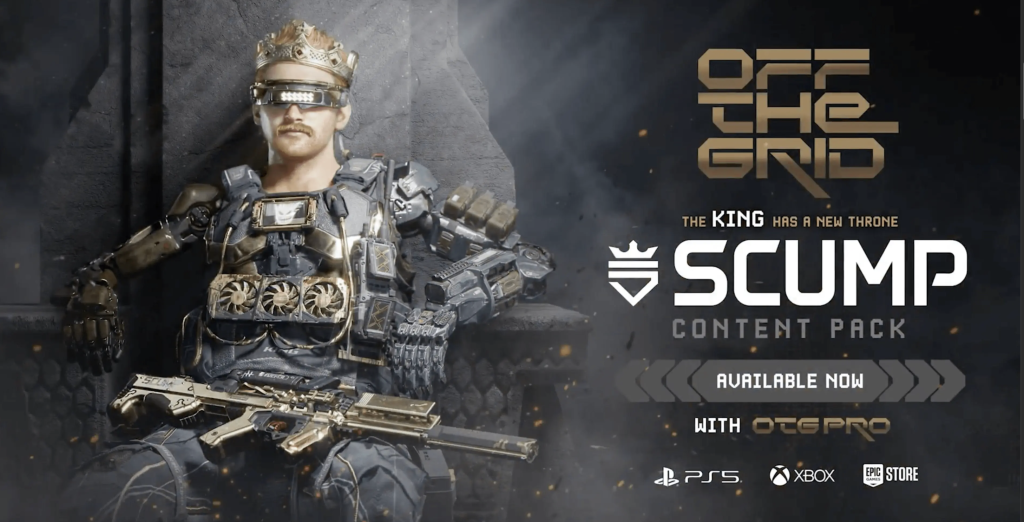
- Platform / Type: Battle Royale (third person)
- Free to play status: Yes — in early access free model.
- NFT / blockchain features: Optional NFT marketplace features; NFT elements are not mandatory to play.
- Strengths / notes: Offers a hybrid model where NFT usage is optional, making it more accessible.
Lumiterra
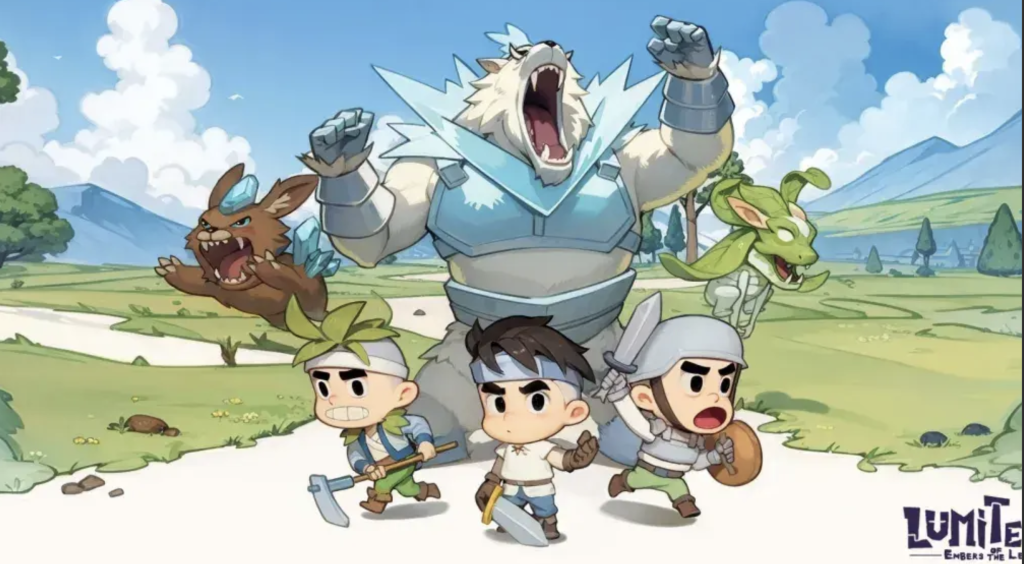
- Platform / Type: MMORPG / survival
- Free to play status: Yes — base gameplay open to all, token features optional.
- How you earn: Daily fragment collection, reward campaigns, staking multipliers.
- Strengths / notes: Good balance between free participation and tokenized progression.
Spellborne
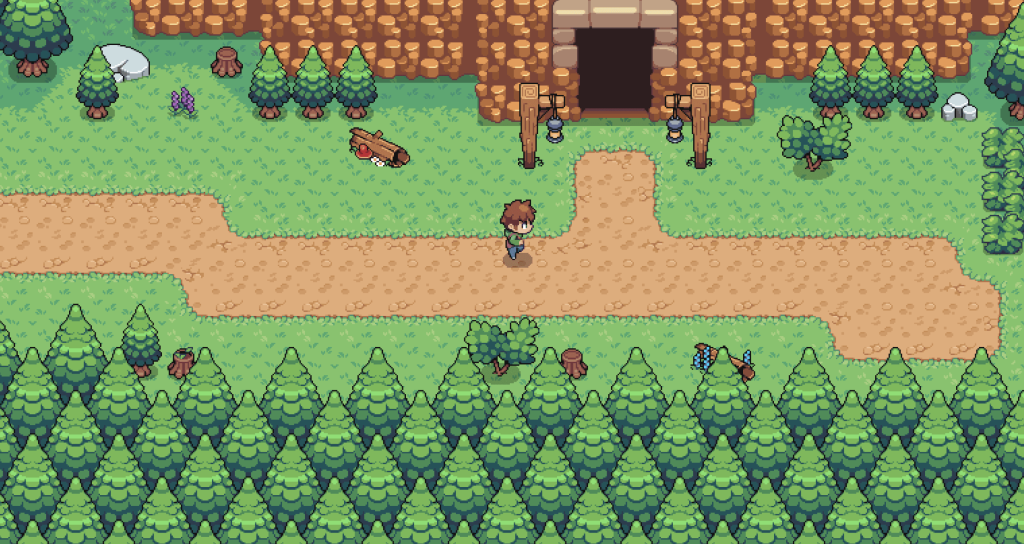
- Platform / Type: Monster RPG / PvP
- Free to play status: Yes — basic play does not require NFTs.
- How you earn: Battles, events, crafting. NFTs provide deeper utility but are optional.
- Strengths / notes: Cross-platform, built to scale, community orientation.
Pros & Cons: Free vs Paid Entry Models
To decide whether to invest in a game or stick to free modes, you should weigh the benefits and drawbacks.
Pros of Free Entry (NFT games free to play)
- Lower financial risk: You can test the game without committing capital.
- Broader accessibility: More players can join, building community and liquidity.
- Optional upgrades: You can choose to invest later when confident.
- Fair experimentation: You can try mechanics, understand rewards, and see if it fits.
Cons / challenges
- Limited earning ceilings: Free players often get lower yields than paid ones.
- Progress limitations: Some areas or content may be gated behind NFTs.
- Tokenomics tension: Balancing rewards for free players while preserving value for paid features is tricky.
- Delays in monetization: Some games only introduce tokenization after enough scale is reached.
Free games must balance providing incentives without undermining long-term sustainability.
Earning Paths in Free NFT Games
Even in free-entry games, there are multiple routes to earn or gain value:
- Quests / Missions: Daily or weekly tasks that reward tokens, materials, or NFTs.
- Battles / PvP: Winning matches or leagues may yield rewards.
- Leaderboards / Seasons: Top performers get special loot or rewards.
- Crafting / Upgrades: Using materials gathered to create or upgrade items that have value.
- Staking / Renting / Leasing: Once you accumulate assets, you may stake or lend them.
- Events / Drops / Airdrops: Special limited promotions give freebies to active users.
- Marketplace trading: NFTs or tokens earned can be traded if liquidity exists.
Even free players who don’t hold extensive NFTs can engage through quests or event rewards and scale gradually.
How to Evaluate a Free NFT Game (Checklist)
When you come across a title claiming to be “free to play,” use this checklist before investing time:
- Can you start without buying an NFT?
- Is there a roadmap for future tokenization?
- Are rewards fungible tokens or NFTs, and are they tradable?
- Does the game show economy metrics (burn rates, supply)?
- Are there audit / security reports?
- How many active users — is the liquidity sufficient?
- Are there mentions of paywalls or “only NFT holders get rewards beyond X”?
- Does the game explain how free vs paid users differ in progression?
Using this, you can avoid many hype traps.
Example Deep Dive: Craft World’s Mechanics & Potential
Let’s explore Craft World as a case study of a free NFT game.
- Entry: No NFT required. You start gathering basic resources (wood, ore, herbs).
- Resources / Loop: You assign characters to harvest resources; use them to craft tools or gear.
- Future tokenization: While currently non-tokenized for all items, the team plans to gradually make materials/gear as NFTs.
- Balance: Because everyone can start free, the growth path is equitable. Pay features would be optional options to speed things up.
- Risks: If they enable too strong tokenization too early, free players might be locked out of the top tiers.
Craft World exemplifies how free models can scale gracefully while preserving optional monetization.
Tips for Maximizing Earnings as a Free Player
Even if you start free, you can adopt strategies to maximize value:
- Be consistent: Do daily quests and missions without skipping.
- Special events: Participate in limited drops, festivals, or seasonal events that often reward high multipliers.
- Focus on efficiency: Use your time where ROI is highest (e.g. tasks with best reward/time ratios).
- Leverage social / guild systems: Many games give guild or referral bonuses.
- Compounding: Reinvest minimal gains (resources, small NFT rewards) into upgrades or crafting.
- Watch roadmap announcements: Early adopters often benefit from bonus airdrops.
- Stake / hold tokens when possible: If the game supports staking, that can give passive yield.
- Trade smartly: Don’t rush to sell everything; know market cycles and liquidity.
- Diversify across games: Don’t put all effort into one title—free to play titles are more volatile.
Risks & Pitfalls to Watch Out For
When dealing with NFT games free to play, you should be aware of the following dangers:
- Rug pulls / abandonments: Developers may shutter games or discard features, leaving leftover users with worthless NFTs.
- Inflation / over-minting: If rewards are too generous, token value may collapse.
- Liquidity traps: Tokens or NFTs might be nontrivial to convert to real money.
- Hidden paywalls: Some games may make critical upgrades or content accessible only to paying players after a point.
- Smart contract exploits: Low auditing, buggy contracts, or vulnerabilities.
- Regulatory risk: Authorities in some countries may restrict NFT / token trading or impose taxes.
- Time vs reward mismatch: You might invest too many hours for minimal gain.
Approach with caution, start small, and never invest more than you can afford to lose.
The Future of Free-Entry NFT Gaming
As the Web3 gaming paradigm evolves, we can expect several trends in “NFT games free to play”:
- Hybrid “free + premium” models will become standardized: free entry, optional NFTs for scaling.
- Interoperable NFTs: Items usable across games will improve value for free entrants.
- Rental / scholarship systems: Users can borrow NFTs to play, bridging the free / paid divide.
- Cross-chain / Layer 2 adoption: Reducing gas fees makes micro rewards more viable.
- Token emission controls: More advanced reward balancing to prevent inflation.
- Better audit / security standards: As stakes rise, trust becomes competitive.
- User experience focus: Free users expect smooth interfaces, good onboarding, and minimal friction.
These shifts will increase the viability of truly free-to-play NFT experiences.
Conclusion
The notion of “NFT games free to play” is no longer just hype—it’s becoming a realistic entry point for many players curious about Web3 gaming.
While not every game is perfectly balanced, and many still reserve advanced features behind purchases, the games listed above offer real access without cost.
Starting free lets you test mechanics, understand economies, and decide where to invest later.
If you like, I can also build a WordPress-ready version of this article with proper headings, table of contents, internal link suggestions, and meta tags optimized for “NFT games free to play.”
Do you want me to generate that for you?
| Game | Status / Notes | Free Entry Details |
|---|---|---|
| RavenIdle Adventures | Live | Start without NFT, missions, rewards |
| Craft World | Early Access | No NFT needed at present |
| Fishing Frenzy | Live | Reflex mini game, free play |
| Off The Grid | Early Access | Optional NFTs; gameplay free |
| Lumiterra | Live / Developing | Base gameplay free, token features optional |
| Spellborne | Live / Developing | Free baseline, NFT features optional |